Blog

  • Indian Gaming Market: Growth, Opportunities and Future Trends

    Indian Gaming Market: Growth, Opportunities and Future Trends

    India has developed a large and diverse digital gaming ecosystem. Smartphones, internet connectivity, online communities and changing entertainment habits have made gaming accessible to audiences across the country.

    The Indian gaming market includes several areas, from mobile and multiplayer games to esports, content creation and emerging gaming technologies.

    Understanding how these different areas connect provides a clearer picture of how the gaming ecosystem in India is developing.

    Understanding the Indian Gaming Market

    The gaming market is broader than individual games or gaming platforms.

    It includes players, game developers, publishers, esports organizations, content creators, technology providers and online communities.

    Different parts of this ecosystem can influence each other. A popular game, for example, can create communities, competitive events, livestreaming content and opportunities for developers and creators.

    Readers who want a broader overview can also explore our gaming industry in India guide.

    A Growing Digital Gaming Ecosystem

    Digital gaming has become easier to access as smartphones and internet services have developed.

    Players can discover games through app stores, social platforms, creators, online communities and recommendations from other players.

    This has helped create an ecosystem where gaming is connected with other forms of digital entertainment.

    Different Types of Players

    Not every player approaches gaming in the same way.

    Some people prefer short casual gaming sessions, while others spend more time with multiplayer, strategy or competitive games.

    Different player preferences create demand for a wide variety of gaming experiences.

    Mobile Gaming and the Indian Gaming Market

    Mobile gaming is an important part of India’s gaming ecosystem because smartphones provide a convenient way to access games.

    Players do not necessarily need dedicated gaming hardware. A compatible smartphone and internet connection can provide access to many different gaming experiences.

    Our mobile gaming in India guide explores this area in greater detail.

    Smartphones Make Gaming More Accessible

    Modern smartphones can support increasingly sophisticated games.

    Improved processors, displays, connectivity and mobile software have enabled developers to create experiences ranging from simple casual games to competitive multiplayer titles.

    This gives players more options while allowing developers to reach audiences through mobile devices.

    Mobile Games Cover Multiple Genres

    Mobile gaming is not a single category of gameplay.

    Players can find strategy games, puzzles, racing titles, action games, multiplayer experiences and many other genres.

    This variety helps mobile gaming appeal to people with different interests and playing habits.

    Multiplayer Gaming and Online Communities

    Gaming increasingly includes communication and interaction between players.

    Online multiplayer games can allow users to form teams, communicate with friends and participate in larger communities.

    Read our guide to multiplayer gaming in India to learn more about this part of the ecosystem.

    Communities Can Extend the Gaming Experience

    The experience surrounding a game can continue outside the game itself.

    Players may discuss updates, strategies and competitions through social networks, livestreams and gaming communities.

    These interactions can help create long-term communities around particular games or genres.

    Esports Within India’s Gaming Ecosystem

    Competitive gaming is another part of the broader Indian gaming market.

    Esports can involve organized competitions, teams, players, tournaments, streaming audiences and communities surrounding competitive games.

    For more information, see our esports in India guide.

    Competitive Gaming Creates New Audiences

    Some people participate directly in competitive games, while others prefer watching tournaments, livestreams or gaming creators.

    This means competitive gaming can attract both players and spectators.

    The relationship between games, creators and audiences contributes to a wider digital entertainment ecosystem.

    Content Creators and Gaming Discovery

    Content creators can influence how audiences discover and understand games.

    Gaming videos, livestreams, tutorials and reviews allow viewers to see gameplay before deciding whether they are interested in a particular title.

    Creators can also build communities around specific games or broader gaming topics.

    Gaming Content Goes Beyond Gameplay

    Gaming content can include tutorials, commentary, esports coverage, technology discussions and industry information.

    This variety allows creators to reach audiences with different interests.

    As gaming communities develop, creators may continue to play an important role in connecting games with their audiences.

    Technology Shaping the Gaming Market in India

    Technology is one of the major forces influencing modern gaming.

    Smartphones, improved internet connectivity, cloud infrastructure and game development technologies can change how games are created, distributed and experienced.

    These developments are also connected with broader gaming trends in India.

    Cloud Gaming

    Cloud gaming can process games using remote infrastructure and stream the experience to a user’s device.

    Its usefulness depends on factors including connection quality, latency, platform availability and infrastructure.

    As these technologies develop, cloud gaming could provide additional ways of accessing games.

    Artificial Intelligence and Game Development

    Artificial intelligence technologies can assist with different parts of game development.

    Potential applications include testing, character behaviour, development workflows and content-related tools.

    How these technologies are used will continue to evolve alongside the wider technology industry.

    Cross-Platform Gaming

    Cross-platform gaming can allow people using different types of devices to participate within the same gaming environment.

    This can help connect communities that might otherwise be separated by hardware.

    Support for these features varies between games and platforms, but interoperability could remain an important area of gaming development.

    Opportunities in the Indian Gaming Market

    A developing gaming ecosystem can create opportunities across multiple areas.

    These may include game development, esports operations, content creation, community management, technology, design and other digital services surrounding games.

    However, opportunities vary significantly depending on skills, audience demand, technology and market conditions.

    Game Development and Creative Skills

    Creating games requires different skills.

    Programming, game design, animation, illustration, sound, writing and testing can all contribute to game development.

    As gaming evolves, people interested in the industry may explore different technical and creative career paths.

    Gaming Content and Communities

    Gaming communities also create space for creators, editors, commentators and community managers.

    Building an audience generally requires consistency, useful content and an understanding of the community being served.

    Success is not guaranteed, but gaming has created additional categories of digital content.

    Safety and Responsible Gaming

    Growth in gaming should also be accompanied by awareness of online safety and balanced gaming habits.

    Players should protect their accounts, avoid suspicious links, review privacy settings and understand the risks of sharing personal information online.

    Our online gaming safety in India guide covers practical security considerations.

    Players can also read our responsible gaming in India guide for information about maintaining balanced gaming habits.

    Future of the Indian Gaming Market

    The future of the Indian gaming market will depend on several factors, including technology, connectivity, player preferences, developer innovation and the development of gaming communities.

    Mobile gaming is likely to remain an important part of the ecosystem, while areas such as esports, cross-platform experiences and cloud technologies may continue to develop.

    At the same time, gaming is a rapidly changing field. New technologies and audience preferences can alter which platforms, genres and experiences become popular.

    For that reason, the future of gaming should be viewed as an evolving landscape rather than a fixed prediction.

    Explore the Gaming Ecosystem with DMFirst

    DMFirst publishes informational content covering gaming, esports, mobile gaming, multiplayer experiences, online safety and developments across India’s gaming ecosystem.

    Readers can explore our gaming guides to understand different areas of this evolving digital entertainment landscape.

    Final Thoughts

    The Indian gaming market consists of much more than individual games.

    Mobile gaming, multiplayer communities, esports, creators and emerging technologies all contribute to a wider ecosystem.

    Understanding these different areas can help readers follow how gaming and digital entertainment continue to develop across India.

    Frequently Asked Questions

    What is the Indian gaming market?

    The Indian gaming market refers broadly to the ecosystem surrounding gaming in India, including players, games, developers, publishers, esports, creators, communities and supporting technologies.

    Why is mobile gaming important in India?

    Mobile devices provide a convenient way for people to access different types of games without necessarily requiring dedicated gaming hardware.

    Is esports part of the Indian gaming market?

    Esports and competitive gaming form one part of the broader gaming ecosystem, alongside casual gaming, multiplayer gaming, content creation and other gaming activities.

    What could shape the future of gaming in India?

    Factors such as smartphones, connectivity, player preferences, game development, online communities and emerging technologies could influence how India’s gaming ecosystem develops.
  • Gaming Trends in India: What Is Shaping the Future of Gaming?

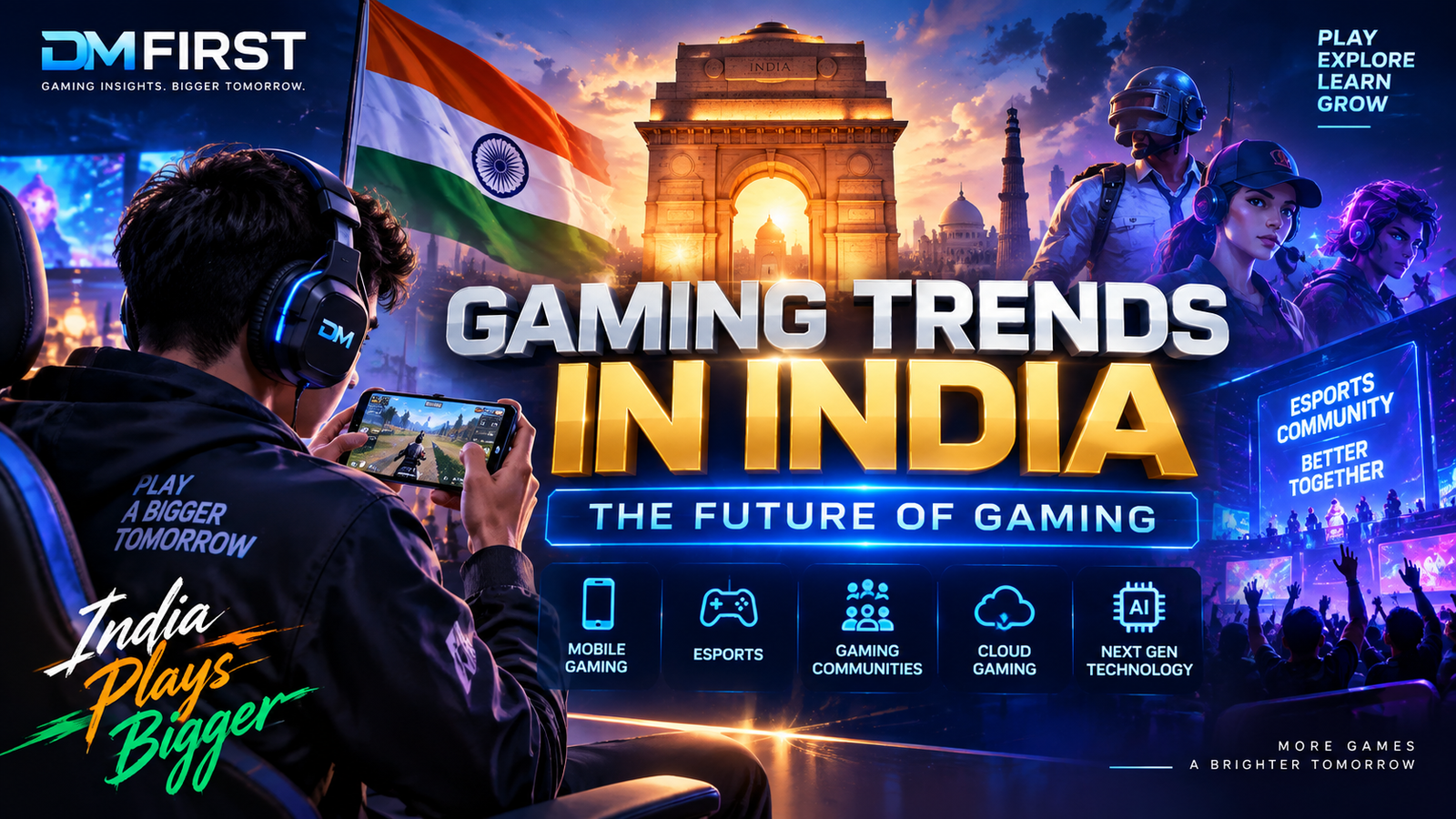
    Gaming Trends in India: What Is Shaping the Future of Gaming?

    Gaming in India continues to evolve as smartphones, internet access, esports, online communities and new technologies change how people discover and enjoy games.

    From casual mobile titles to competitive esports, gaming has become an increasingly visible part of digital entertainment. Understanding current gaming trends in India can help players and gaming enthusiasts see where the industry may be heading next.

    Below are some of the major trends shaping gaming in India.

    Gaming Trends in India and Mobile Gaming Growth

    1. Mobile Gaming Continues to Expand

    Mobile devices remain an important part of gaming in India. Smartphones allow players to access games without requiring dedicated gaming hardware.

    Players can explore casual games, multiplayer titles, strategy games and competitive experiences directly from their phones.

    As smartphone technology continues to improve, mobile games can also offer better graphics, smoother gameplay and increasingly sophisticated features.

    For a broader introduction, read our mobile gaming in India guide.

    2. Multiplayer Gaming Is Becoming More Social

    Gaming is increasingly becoming a social activity.

    Many multiplayer games allow players to communicate, form teams, compete with friends and participate in online communities.

    This social aspect can transform gaming from an individual activity into a shared digital experience.

    Learn more in our guide to multiplayer gaming in India.

    3. Esports Is Expanding Gaming Culture

    Competitive gaming and esports have become increasingly visible within India’s gaming ecosystem.

    Players can watch tournaments, follow competitive teams, discover professional players and participate in gaming communities built around competitive titles.

    Streaming platforms and social media also make competitive gaming content easier to discover.

    Our esports in India guide explains this part of the gaming ecosystem in more detail.

    Technology Trends Shaping Gaming in India

    4. Gaming Content Creators Are Influencing Discovery

    Gaming creators have become an important part of how audiences discover games.

    Videos, livestreams, tutorials, reviews and short-form content can introduce audiences to new titles and gaming communities.

    Creators can also help explain gameplay mechanics, strategies and updates in ways that are accessible to new players.

    As gaming audiences grow, content creation is likely to remain closely connected with gaming culture.

    5. Cross-Platform Gaming Could Become More Important

    Players increasingly use different devices, including smartphones, PCs and gaming consoles.

    Cross-platform features can allow users on different devices to participate in the same gaming environment.

    This can make gaming communities more connected and reduce barriers between different types of players.

    Support for cross-platform experiences may therefore become increasingly important for game developers.

    6. Cloud Gaming Could Change Game Access

    Cloud gaming is another technology that could influence the future of gaming.

    Instead of relying entirely on a user’s device to process a game, cloud gaming can use remote computing infrastructure to stream gameplay over the internet.

    The quality of the experience depends heavily on factors such as internet speed, latency and service availability.

    As connectivity and infrastructure develop, cloud gaming could provide another way for players to access demanding games.

    7. Artificial Intelligence Is Influencing Game Development

    Artificial intelligence is being used across many areas of technology, including game development.

    Developers can use AI-related technologies for areas such as character behaviour, testing, content creation and development workflows.

    These technologies may help developers create more dynamic gaming experiences while changing how some parts of games are designed and produced.

    Gaming Communities, Safety and Responsible Gaming

    8. Gaming Communities Are Becoming More Important

    Online communities play an important role in modern gaming.

    Players often interact through gaming groups, social networks, livestream communities and discussion platforms.

    These communities allow users to exchange information, discuss updates and connect with people who share similar gaming interests.

    Strong communities can also help games remain active long after their initial release.

    9. Online Safety Is Receiving More Attention

    As gaming communities expand, online safety becomes increasingly important.

    Players should understand account security, privacy settings, suspicious links and other potential online risks.

    Using strong passwords, enabling available security features and being cautious with unknown links can help protect gaming accounts.

    Read our online gaming safety in India guide for additional information.

    10. Responsible Gaming Remains Important

    Gaming should remain a balanced form of entertainment.

    Players can benefit from managing their gaming time, taking regular breaks and maintaining a healthy balance between gaming and other daily activities.

    Our responsible gaming in India guide provides practical information about developing healthier gaming habits.

    How These Trends Connect to the Gaming Industry

    Mobile gaming, esports, online communities and emerging technologies are interconnected parts of a larger gaming ecosystem.

    Developments in one area can influence others. Better smartphones can support more sophisticated mobile games, while competitive games can contribute to esports communities and content creation.

    These developments are helping shape the broader gaming industry in India.

    Together, these developments are also influencing the broader Indian gaming market, where technology, players, communities and new gaming experiences continue to evolve.

    The Future of Gaming in India

    The future of gaming in India will likely be influenced by technology, connectivity, player preferences and the development of gaming communities.

    Mobile gaming is likely to remain important, while esports, multiplayer experiences, cloud technology and new development tools may continue to influence how games are created and experienced.

    However, gaming trends can change quickly. Technologies or gaming formats that are popular today may evolve as new platforms and player behaviours emerge.

    Explore Gaming with DMFirst

    DMFirst provides informational content covering gaming, mobile gaming, esports, multiplayer experiences, online safety and developments across India’s gaming ecosystem.

    Readers can explore DMFirst guides to learn more about different areas of gaming and digital entertainment.

    Final Thoughts

    Gaming trends in India reflect a broader shift toward connected, mobile and community-driven entertainment.

    Mobile gaming, esports, content creators, multiplayer communities and emerging technologies are all contributing to this changing environment.

    Following these developments can help players better understand how India’s gaming ecosystem continues to evolve.

    Frequently Asked Questions

    What are the major gaming trends in India?

    Some important trends include mobile gaming, multiplayer experiences, esports, gaming content creation, online communities and emerging technologies such as cloud gaming.

    Why is mobile gaming important in India?

    Smartphones make games accessible to a wide audience and allow players to experience different types of games without requiring dedicated gaming hardware.

    Is esports part of gaming trends in India?

    Esports is one part of the broader gaming ecosystem, particularly around competitive gaming, tournaments, streaming and gaming communities.

    What could influence the future of gaming in India?

    Technology, internet connectivity, smartphones, player preferences, game development and the growth of gaming communities could all influence how gaming develops in the future.

  • Gaming Industry in India: Growth, Trends and Future

    Gaming Industry in India: Growth, Trends and Future

    The gaming industry in India has developed into a major part of the country’s digital entertainment landscape. Smartphones, affordable internet access, digital communities and competitive gaming have introduced gaming to a much wider audience.

    Gaming is also becoming more diverse. Players can choose from casual mobile games, multiplayer titles, competitive games and esports experiences across different devices.

    As technology continues to improve, the gaming industry in India is likely to keep evolving alongside the country’s broader digital ecosystem.

    This guide explores how the Indian gaming industry is developing, the major trends shaping it and what the future could look like.

    Understanding the Gaming Industry in India

    The gaming industry includes much more than individual games.

    It is an ecosystem involving players, developers, publishers, content creators, esports organizations, technology companies and online communities.

    Gaming experiences can be delivered through several platforms, including:

    • Smartphones and tablets
    • Personal computers
    • Gaming consoles
    • Web browsers
    • Cloud-based services

    Each platform serves different types of players and gaming experiences.

    In India, smartphones have made gaming particularly accessible because users can discover and play games without necessarily purchasing dedicated gaming hardware.

    Mobile Gaming Is an Important Part of the Industry

    Mobile gaming has played an important role in expanding access to games.

    Modern smartphones can support increasingly sophisticated graphics, multiplayer functionality and competitive gameplay. At the same time, app stores make discovering and installing new games relatively straightforward.

    This allows people to experience gaming using a device they may already use every day.

    Readers who want to understand this segment in more detail can explore our mobile gaming in India guide.

    As smartphone technology continues improving, mobile games may become increasingly sophisticated in terms of graphics, connectivity and gameplay.

    Online Gaming Connects Players

    Internet connectivity has transformed games from primarily individual experiences into connected digital environments.

    Online games can allow players to communicate, compete and cooperate with people from different locations.

    Depending on the game, online features may include:

    • Multiplayer matches
    • Team-based gameplay
    • Leaderboards
    • Player communities
    • Competitive rankings
    • Online events

    These features have helped gaming develop into a more social form of digital entertainment.

    Our online gaming in India guide explains the broader online gaming ecosystem and how different types of games operate.

    Multiplayer Gaming Builds Communities

    Multiplayer gaming is another important part of the modern gaming ecosystem.

    Instead of playing exclusively against computer-controlled opponents, players can interact with other real people.

    Some multiplayer games emphasize competition, while others focus on cooperation.

    Players may form teams, join communities or participate in online tournaments. These social elements can encourage long-term engagement because the experience is influenced by interactions with other players.

    You can learn more in our guide to multiplayer gaming in India.

    Esports and Competitive Gaming

    Competitive gaming has also become increasingly visible.

    Esports generally involves organized competitive video gaming where individuals or teams compete under established rules. Events can range from community competitions to larger professional tournaments.

    Esports has also created opportunities beyond playing games.

    The ecosystem can involve:

    • Professional players
    • Coaches
    • Tournament organizers
    • Broadcasters
    • Content creators
    • Analysts
    • Production teams

    This demonstrates how gaming can develop into a broader entertainment ecosystem.

    Readers interested in competitive gaming can explore our esports in India guide.

    Gaming Content and Creators

    Playing games is only one part of gaming culture.

    Many people also watch gaming videos, livestreams, tutorials, reviews and competitive events.

    Content creators can help audiences discover games, understand gameplay mechanics and follow gaming communities.

    Platforms that support video and livestreaming have made it possible for creators to build audiences around particular games or gaming genres.

    As a result, gaming increasingly overlaps with the creator economy and digital entertainment.

    Technology Is Changing Gaming Experiences

    Technology continues to influence how games are created and experienced.

    Better smartphone processors, graphics technology, displays and internet infrastructure can improve gaming performance.

    Cloud technology may also influence the industry by allowing some processing to happen remotely rather than entirely on the player’s device.

    Other developments could include advances in:

    • Artificial intelligence
    • Augmented reality
    • Virtual reality
    • Cloud gaming
    • Cross-platform gaming
    • Game development tools

    Not every technology will develop at the same speed, but innovation will continue shaping how players interact with games.

    The Importance of Gaming Safety

    As gaming communities grow, online safety becomes increasingly important.

    Players should understand how to protect their accounts and personal information.

    Useful precautions include using strong passwords, enabling additional account security where available and avoiding suspicious downloads or links.

    Players should also be cautious when communicating with unknown users online.

    For more information, read our online gaming safety in India guide.

    Responsible Gaming and Healthy Habits

    Gaming can be one part of a balanced entertainment routine.

    Players should remain aware of the amount of time they spend playing and avoid allowing gaming to interfere with sleep, education, work or other responsibilities.

    Taking regular breaks can also reduce fatigue during longer gaming sessions.

    Healthy gaming habits can include:

    • Setting reasonable playing periods
    • Taking breaks
    • Maintaining regular sleep
    • Staying physically active
    • Balancing gaming with other activities

    Our responsible gaming in India guide provides additional information about maintaining healthier gaming habits.

    Gaming Trends to Watch in India

    Several trends could continue influencing India’s gaming ecosystem.

    Mobile-first gaming is likely to remain important because smartphones provide broad access to digital entertainment.

    Competitive gaming and esports may also continue developing as more communities, players and organizations participate.

    Gaming content could become increasingly connected with livestreaming, short-form video and online communities.

    Cross-platform gaming may also become more common, allowing players using different devices to participate in the same gaming environments.

    These trends illustrate how gaming is becoming increasingly connected with other parts of the digital economy.

    Challenges Facing the Gaming Industry

    Growth also creates challenges.

    Developers and gaming platforms need to consider issues such as online safety, privacy, cybersecurity, player well-being and responsible gaming.

    Different games and services may also operate under different rules or regulatory frameworks.

    Players should therefore understand the services they use, read relevant terms and conditions, and follow applicable local rules.

    Building trust will remain important as the industry expands.

    The Future of Gaming in India

    The future of gaming in India will likely be influenced by technology, connectivity and changing entertainment habits.

    Smartphones will continue to play an important role, while improved devices and internet infrastructure may enable more sophisticated gaming experiences.

    Competitive gaming, gaming communities and content creation could also become more closely connected.

    At the same time, responsible gaming practices, player safety and trustworthy information will remain important for a sustainable gaming ecosystem.

    Explore Gaming with DMFirst

    DMFirst provides information and guides covering different areas of gaming and digital entertainment in India.

    Readers can explore topics including mobile gaming, online gaming, esports, multiplayer gaming, gaming safety and responsible gaming.

    Visit DMFirst for more gaming and entertainment information.

    Final Thoughts

    The gaming industry in India is part of a rapidly evolving digital entertainment environment.

    Mobile accessibility, online connectivity, multiplayer communities, esports and content creation have all contributed to the development of gaming culture.

    The industry will continue changing as new technologies and entertainment habits emerge.

    Understanding these developments can help players and readers better navigate India’s growing gaming ecosystem.

    As the ecosystem continues to develop, the Indian gaming market brings together mobile gaming, esports, online communities, content creators and emerging technologies. Understanding these connected areas can provide a broader view of how gaming and digital entertainment are evolving across India.

    Frequently Asked Questions

    What is the gaming industry in India?

    The gaming industry includes developers, publishers, gaming platforms, players, esports organizations, content creators and other businesses or communities involved in gaming and interactive entertainment.

    Why is mobile gaming important in India?

    Mobile gaming provides relatively accessible gaming experiences because many users can play through smartphones without requiring dedicated gaming hardware.

    What is the difference between gaming and esports?

    Gaming is a broad term covering many forms of playing video games. Esports generally refers to organized competitive gaming involving structured matches, tournaments or competitions.

    What trends are shaping gaming in India?

    Important developments include mobile gaming, multiplayer experiences, esports, content creation, improved devices, online communities and emerging technologies.

    What could influence the future of gaming in India?

    Smartphone technology, internet infrastructure, game development, esports, digital communities, safety practices and changes in entertainment habits could all influence the industry’s development.

  • Online Gaming Platforms in India: A Beginner’s Guide

    Online Gaming Platforms in India: A Beginner’s Guide

    Online gaming platforms in India provide players with access to digital games through smartphones, computers, consoles and other internet-connected devices. Depending on the platform, players may be able to download games, create accounts, play with other users and access different gaming features.

    For beginners, choosing a gaming platform involves more than simply finding a game to play. Device compatibility, developer information, account security, privacy settings, payment options and available game categories should also be considered. This guide explains how online gaming platforms work and what beginners can check before choosing one.

    What Are Online Gaming Platforms?

    Online gaming platforms are digital services or systems that allow users to access, download or play video games. Depending on the platform, players may create accounts, manage game libraries, communicate with other users and participate in online multiplayer activities.

    Gaming platforms can operate through smartphones, computers, consoles or web browsers. The available games, account features and technical requirements can differ between platforms.

    Beginners who want a broader understanding of digital gaming can first explore our online gaming in India guide.

    How Online Gaming Platforms Work

    Online gaming platforms connect players with games and related online services. Some platforms allow users to download and install games, while others provide games that can be accessed directly through a browser or application.

    Players may need to create an account before using features such as cloud saves, multiplayer modes, rankings, purchases or communication tools. Account requirements vary between platforms and individual games.

    Platforms may also provide game updates, security patches and additional content. Keeping games and applications updated through official sources can help players access current features and security improvements.

    Online Gaming Platforms in India

    Online gaming platforms in India can be accessed through different devices, including smartphones, computers and gaming consoles. The experience available to each player depends on factors such as device compatibility, internet connectivity, game availability and platform requirements.

    Smartphones provide a convenient way to access many online games, while computers and consoles can support different control systems, hardware capabilities and game libraries.

    Players should review the requirements and features of a platform before creating an account or installing games. Availability, pricing and individual game features can also change over time.

    Common Types of Online Gaming Platforms

    Gaming platforms can be grouped according to the devices and technologies used to access games. Understanding these categories can help beginners determine which type of platform is suitable for their available hardware and gaming preferences.

    Mobile Gaming Platforms

    Mobile gaming platforms allow players to access games through smartphones and tablets. Games may be downloaded through official application stores or distributed directly by verified developers where appropriate.

    Players should check operating system compatibility, storage requirements and other device specifications before installing a game. Readers interested in smartphone gaming can learn more through our mobile gaming in India guide.

    PC Gaming Platforms

    PC gaming platforms provide access to games designed for desktop and laptop computers. Depending on the platform, users may be able to purchase or download games, manage updates, communicate with other players and access multiplayer services.

    Hardware requirements can vary significantly between games. Players should check processor, memory, graphics, storage and operating system requirements before installing a title.

    Console Gaming Platforms

    Console gaming platforms operate through dedicated gaming hardware. Players can access games and online services designed for the specific console ecosystem they use.

    Some online features may require accounts or subscriptions. Beginners should review the platform’s requirements and understand any recurring costs before activating optional services.

    Browser-Based Gaming Platforms

    Browser-based platforms allow certain games to run through a compatible web browser without requiring a traditional desktop installation. The experience can depend on the game, browser, device performance and internet connection.

    Players should still verify the website they are using and avoid suspicious pages requesting unnecessary downloads, login credentials or personal information.

    Multiplayer Gaming Platforms

    Many gaming platforms provide multiplayer features that allow players to connect with friends or other users through the internet. These features may include matchmaking, rankings, text communication, voice communication or private sessions.

    The exact multiplayer features depend on the platform and game. Privacy and communication settings should be reviewed before interacting with unfamiliar users.

    How to Choose an Online Gaming Platform

    Choosing an online gaming platform depends on the player’s device, preferred games and required features. Beginners should compare practical factors rather than selecting a platform based only on advertisements or popularity.

    It can also be useful to understand which game categories are available. Readers who are unfamiliar with different gaming genres can explore our types of online games guide.

    Check Device Compatibility

    Before downloading a game or creating an account, players should confirm that their device meets the platform and game requirements. This can include the operating system, available storage, memory, processor and graphics capabilities.

    Mobile users should also check application compatibility, while PC players may need to compare their hardware with minimum and recommended specifications.

    Review the Platform and Developer

    Players should check who operates the platform and who develops or publishes the games they intend to use. Official websites, verified application-store listings and clear developer information can help users identify legitimate sources.

    Beginners should be cautious when a website or application provides limited information about its operator or asks users to install software from unfamiliar sources.

    Understand Accounts and Privacy Settings

    Gaming accounts can contain usernames, communication history, saved progress and other information. Players should review available privacy settings and understand what information may be visible to other users.

    Strong and unique passwords should be used for gaming accounts. Two-factor authentication should also be enabled when the platform provides the option.

    Check Payments and Optional Purchases

    Some games are free to access but include optional purchases, while others require an initial purchase, subscription or additional paid content. Players should understand the pricing model before spending money.

    It is also useful to check whether payments are one-time transactions or recurring subscriptions. Purchase confirmations and transaction histories can help users monitor gaming expenses.

    Game Selection and Platform Features

    Different gaming platforms can provide different game libraries and features. Players may find casual games, action titles, strategy games, sports games, racing games, role-playing games and multiplayer experiences depending on the platform.

    Additional features can include cloud saves, achievements, friend lists, parental controls, multiplayer matchmaking and communication tools. Not every player needs every feature, so beginners can focus on the services that match how they intend to play.

    Game availability can also change over time. Players should check current information directly from the relevant platform or developer before making purchases or subscriptions.

    Account Security on Gaming Platforms

    Gaming accounts should be protected in the same way as other important online accounts. Players should use strong, unique passwords rather than reusing the same password across multiple services.

    Two-factor authentication can provide an additional security layer when available. Verification codes, passwords and account recovery information should never be shared with other players.

    Players should also be cautious with messages claiming that an account requires urgent verification, especially when those messages contain unfamiliar links. Account-related actions should be completed through official applications or websites whenever possible.

    Safe Downloads and Updates

    Games and updates should be obtained from official application stores, verified developer websites or other trusted distribution sources. Unofficial downloads may contain modified files or software that creates additional security risks.

    Players should pay attention to the permissions requested by applications and avoid installing files from unfamiliar links simply because they promise free items, modifications or other rewards.

    Keeping games, operating systems and gaming applications updated can also provide access to security fixes and compatibility improvements.

    Multiplayer and Communication Features

    Online multiplayer features allow players to interact with other users through matches, teams and shared gaming environments. Communication tools may include text chat, voice chat, quick messages or other in-game systems.

    Players should avoid sharing personal information with unfamiliar users. Privacy controls can be used to manage friend requests, messages and other interactions.

    Mute, block and report features can also help users respond to unwanted communication or disruptive behavior. For more detailed guidance about accounts, suspicious links and online interactions, read our online gaming safety in India guide.

    Responsible Use of Gaming Platforms

    Online gaming can be an enjoyable form of entertainment, but players should maintain a balance between gaming and other everyday activities. Setting reasonable gaming limits and taking regular breaks can help prevent gaming sessions from consistently extending longer than intended.

    Players should maintain sufficient time for sleep, education, work, physical activity and social interaction. Gaming expenses should also remain within a planned entertainment budget.

    Optional purchases and subscriptions should be reviewed carefully, particularly when automatic renewals are involved. Younger players may benefit from parental guidance, purchase controls and age-appropriate privacy settings.

    Players who want more guidance on balancing gaming time, spending and everyday responsibilities can explore our responsible gaming in India guide.

    Frequently Asked Questions

    1. What are online gaming platforms?

    Online gaming platforms are digital services or systems that allow users to access, download or play games and may provide features such as accounts, multiplayer modes, game updates and communication tools.

    2. What types of online gaming platforms are available?

    Common types include mobile, PC, console, browser-based and multiplayer gaming platforms. Features and requirements can differ between platforms.

    3. How should beginners choose an online gaming platform?

    Beginners can consider device compatibility, available games, developer information, account security, privacy settings, payment options and the features they need.

    4. Are gaming accounts important to protect?

    Yes. Players should use strong and unique passwords, enable two-factor authentication when available and avoid sharing passwords or verification codes with other users.

    5. Where should players download games?

    Games should generally be downloaded from official application stores, verified developer websites or other trusted distribution sources.

    6. What should players check before making gaming purchases?

    Players should review the price, payment method, refund information where applicable and whether a payment is a one-time purchase or recurring subscription.

    Final Thoughts

    Online gaming platforms in India provide access to different gaming experiences across smartphones, computers, consoles and web browsers. Understanding device requirements, platform features and available game categories can help beginners make more informed choices.

    Account security, safe downloads, privacy settings and responsible spending are also important when using gaming services. Players should rely on official or trusted sources and review platform requirements before installing software or making purchases.

    For more beginner-friendly gaming guides, safety information and gaming insights, visit DMFirst and explore our growing collection of gaming content.

  • Competitive Gaming in India: A Complete Beginner’s Guide

    Competitive Gaming in India: A Complete Beginner’s Guide

    Competitive gaming in India includes gaming experiences where players compete against other individuals or teams based on objectives, performance, rankings or match results. Competitive play can take place across smartphones, computers and consoles, ranging from casual ranked matches to organized tournaments.

    For beginners, competitive gaming involves more than simply trying to win. Understanding game mechanics, communication, teamwork, practice routines, tournament formats and responsible gaming habits can help players develop their skills gradually. This guide explains the basics of competitive gaming in India and how beginners can approach competitive play.

    What Is Competitive Gaming?

    Competitive gaming refers to video games where players compete against other individuals or teams based on specific objectives, rules or performance results. Competition can take place through casual matches, ranked modes, organized tournaments or other structured formats.

    Competitive games can require different skills depending on the genre. Some emphasize teamwork and communication, while others focus more heavily on individual decision-making, strategy, accuracy or understanding game mechanics.

    Competitive gaming is a broad category and should not automatically be considered esports. Many players participate in competitive matches without entering organized esports tournaments or professional competitions.

    How Competitive Gaming Works

    Competitive games typically use rules and objectives to determine the outcome of a match. Depending on the game, players may need to earn points, complete objectives, defeat opponents, achieve faster times or meet other conditions to win.

    Online games may use matchmaking systems to connect players based on factors such as region, connection quality, selected game mode or player ranking. Some games also include ranked systems where players can progress through different divisions or competitive levels.

    Team-based competition can require players to coordinate strategies and understand different roles during a match. Beginners who want to understand these multiplayer systems in more detail can explore our multiplayer gaming in India guide.

    Competitive Gaming in India

    Competitive gaming in India can take place across smartphones, computers and gaming consoles. Players can participate through ranked multiplayer modes, community competitions and organized tournaments depending on the games and platforms they use.

    Mobile devices also provide access to many competitive gaming experiences. Players interested specifically in organized smartphone competition can explore our mobile esports in India guide, which covers mobile esports, tournaments, device requirements and teamwork in greater detail.

    Beginners should understand that competitive gaming can exist at different levels. Playing ranked matches with other users is different from participating in a structured tournament, while organized esports can involve additional rules, teams, qualifiers and competition formats.

    Popular Types of Competitive Games

    Competitive gaming includes many game genres, each requiring different skills, strategies and approaches. Some games focus heavily on teamwork, while others allow players to compete individually.

    Understanding the differences between competitive game types can help beginners choose games that match their interests, available devices and preferred style of competition.

    Team-Based Games

    Team-based competitive games organize players into groups that work toward shared objectives. Individual players may have different roles or responsibilities, making coordination an important part of the overall team strategy.

    Communication can help players share information, coordinate actions and respond to changing situations during a match. Learning how to cooperate with teammates can be just as important as developing individual gaming skills.

    Battle Royale Games

    Battle royale games typically place many players or teams into the same match, with participants competing until a final player or team remains. These games can combine positioning, resource management, decision-making and combat.

    Competitive formats may use scoring systems based on factors such as placement and in-game performance. The exact rules can vary between games and tournaments.

    Sports and Racing Games

    Competitive sports games can be based on digital versions or adaptations of sports such as cricket and football. Players may compete individually or through team-based formats depending on the game.

    Racing games generally focus on completing tracks or courses while competing against other players. Performance may depend on factors such as timing, vehicle control, track knowledge and consistent decision-making.

    Strategy Games

    Competitive strategy games emphasize planning, resource management and decision-making. Players may need to anticipate an opponent’s actions while adapting their own strategy as the match develops.

    Different strategy games can involve individual competition, team-based play or longer matches where decisions made earlier can influence later stages of the game.

    Individual Competitive Games

    Some competitive games place greater emphasis on individual performance rather than team coordination. Players are primarily responsible for their own decisions, strategies and execution during a match.

    Individual competition can still involve rankings, matchmaking systems and organized tournaments. Players may review previous matches to identify areas where their performance can improve.

    Ranked Gaming and Matchmaking

    Many online games include ranked modes designed to place players into competitive matches and track their progress over time. Ranking systems can use divisions, tiers, points or other measurements depending on the game.

    Matchmaking systems attempt to create matches using criteria established by the game. These may include player ranking, selected mode, region or connection conditions, although the exact process varies between platforms and games.

    Rankings should be viewed as one part of the gaming experience rather than the only measure of progress. Beginners can also focus on improving game knowledge, communication, consistency and decision-making.

    Skills Used in Competitive Gaming

    Competitive gaming can involve a combination of technical, strategic and communication skills. The importance of each skill depends on the game, competitive format and whether players compete individually or as part of a team.

    Game Knowledge and Mechanics

    Understanding the rules, objectives, controls and mechanics of a game provides an important foundation for competitive play. Players can gradually learn maps, characters, equipment, strategies or other systems relevant to their chosen game.

    Game updates can sometimes change mechanics or competitive strategies, so players should use current information when learning how a game works.

    Communication and Teamwork

    In team-based games, players may need to exchange information quickly and coordinate their actions. Clear communication can help teammates understand objectives, positions and changes occurring during a match.

    Communication should also remain respectful. Mute, block and report tools can be used when players encounter harassment or disruptive behavior.

    Decision-Making and Awareness

    Competitive matches can require players to make decisions while situations change quickly. Understanding objectives, monitoring opponents and teammates, and recognizing when to change strategy can improve overall awareness.

    Beginners can develop these skills gradually by reviewing their decisions after matches instead of focusing only on the final result.

    Practice and Consistency

    Regular practice can help players become more familiar with controls, mechanics and competitive situations. Practice sessions can be more useful when players focus on specific skills rather than simply playing for long periods.

    Taking breaks is also important during extended practice sessions. A balanced routine can help competitive gaming remain compatible with other everyday activities.

    Competitive Gaming vs Esports

    Competitive gaming and esports are related, but the terms do not always describe the same thing. Competitive gaming broadly includes games where players compete against other players through casual competitive modes, ranked systems or organized events.

    Esports generally refers to more structured forms of competitive gaming involving organized matches, defined rules, tournaments, leagues or other formal competition formats. Therefore, a player participating in ranked matches is not necessarily participating in esports.

    Readers who want to understand organized competitive gaming in greater detail can explore our esports in India guide.

    Competitive Gaming Tournaments

    Competitive gaming tournaments provide structured environments where players or teams compete according to established rules. Tournament formats can include qualifiers, group stages, elimination brackets, round-robin formats or final matches.

    Before registering, players should review eligibility requirements, schedules, rules, scoring systems and any technical requirements provided by the organizer. Tournament structures can differ significantly between games and events.

    Players should use official tournament information when checking registration details or rule changes. They should also be cautious with unofficial messages requesting passwords, verification codes or unnecessary personal information.

    How Beginners Can Start Competitive Gaming

    Beginners can start by choosing a game they genuinely enjoy and learning its basic mechanics before focusing heavily on rankings or tournaments. Understanding objectives, controls and common strategies can provide a stronger foundation for competitive play.

    Playing regular matches can help beginners become familiar with different situations and opponents. Instead of trying to improve everything at once, players can identify specific areas such as positioning, communication, decision-making or game knowledge to practice.

    Beginners interested in tournaments should read the rules and eligibility requirements before registering. Starting with appropriate competitive environments can provide useful experience before moving toward more structured competitions.

    Online Safety in Competitive Gaming

    Competitive games often involve interactions with teammates, opponents and online communities. Players should protect their accounts with strong and unique passwords and enable two-factor authentication when available.

    Passwords, verification codes and sensitive payment information should never be shared with other players. Suspicious links, unofficial downloads and unexpected messages offering rewards should also be treated carefully.

    Privacy settings, mute tools, blocking features and reporting systems can help manage unwanted interactions. Readers can find additional account and privacy guidance in our online gaming safety in India guide.

    Responsible Competitive Gaming

    Competitive games can encourage players to spend additional time practicing, improving rankings or completing matches. Maintaining reasonable gaming limits and taking regular breaks can help keep competitive play balanced with everyday life.

    Gaming should not consistently replace adequate sleep, education, work, physical activity or other important responsibilities. Players should also understand optional purchases, subscriptions and tournament-related costs before spending money.

    Competitive results can change from match to match, so rankings and losses should remain in perspective. For more information about maintaining balanced gaming routines, readers can explore our responsible gaming in India guide.

    Frequently Asked Questions

    1. What is competitive gaming?

    Competitive gaming refers to video games where individuals or teams compete against other players according to specific objectives, rules or performance results.

    2. Is competitive gaming the same as esports?

    Not always. Competitive gaming is a broad category that can include casual competitive matches and ranked modes, while esports generally involves more structured and organized competition such as tournaments or leagues.

    3. What types of games can be competitive?

    Competitive games can include team-based games, battle royale games, sports and racing games, strategy games and individual competitive games.

    4. How can beginners improve at competitive gaming?

    Beginners can learn game mechanics, practice specific skills, improve communication and decision-making, review previous matches and gradually gain experience through competitive play.

    5. Is online safety important in competitive gaming?

    Yes. Players should protect their accounts, use strong passwords, enable two-factor authentication when available and avoid sharing passwords, verification codes or sensitive payment information.

    6. How can players maintain healthy competitive gaming habits?

    Players can set reasonable gaming limits, take regular breaks and maintain enough time for sleep, education, work, physical activity and other everyday responsibilities.

    Final Thoughts

    Competitive gaming in India provides players with different ways to test their skills against other individuals and teams. From ranked multiplayer matches to organized tournaments, competitive games can involve strategy, communication, game knowledge and consistent practice.

    Beginners can focus on gradual improvement rather than rankings alone. Understanding online safety, tournament rules and responsible gaming habits can also help create a more balanced competitive gaming experience.

    For more guides covering gaming, multiplayer competition, mobile gaming and esports, visit DMFirst and explore our growing collection of gaming information.

  • Mobile Esports in India: A Complete Beginner’s Guide

    Mobile Esports in India: A Complete Beginner’s Guide

    Mobile esports in India has become an increasingly visible part of competitive gaming, allowing players to participate in organized competition using smartphones and tablets. Competitive mobile games can include ranked matches, qualifiers, tournaments and team-based events across different game genres.

    For beginners, understanding mobile esports involves more than simply playing mobile games competitively. Players should also understand tournament formats, teamwork, device requirements, online safety and responsible gaming habits. This guide explains the basics of mobile esports in India and how beginners can start exploring competitive mobile gaming.

    Mobile esports in India combines the accessibility of smartphone gaming with competitive gameplay. Players can participate in multiplayer competitions, follow esports events and engage with gaming communities directly through mobile devices.

    What Is Mobile Esports?Mobile esports refers to organized competitive video gaming played on smartphones or tablets. Players may compete individually or as part of a team in structured matches, qualifiers, tournaments or leagues.

    Mobile esports differs from ordinary mobile gaming because the focus is on organized competition and player performance. While many mobile games include competitive modes, not every ranked or multiplayer match should automatically be considered an esports event.

    Readers who want a broader introduction to smartphone gaming can explore our mobile gaming in India guide.

    How Mobile Esports Works

    Mobile esports competitions are usually built around specific games and tournament formats. Organizers establish rules covering eligibility, match structure, scoring, schedules and progression through different stages of a competition.

    Players may begin with qualifying rounds before advancing to later tournament stages. Team-based competitions can require players to communicate, coordinate strategies and perform specific roles during matches.

    Depending on the event, competitions may take place online or at physical venues. Matches can also be broadcast through digital platforms, allowing audiences to follow competitive mobile gaming remotely.

    Mobile Esports in India

    Mobile esports in India forms part of the country’s broader competitive gaming ecosystem. Smartphones provide players with access to competitive games without requiring a dedicated gaming computer or console, making mobile competition available across a wide range of devices.

    Competitive mobile gaming can involve ranked play, team practice, qualifiers and organized tournaments. Players interested in progressing beyond casual competition should understand the rules and requirements of individual events before participating.

    For a broader explanation of organized competitive gaming, tournament formats and esports participation, readers can explore our esports in India guide.

    Popular Types of Mobile Esports Games

    Mobile esports includes several competitive game genres with different objectives, strategies and team structures. Some games focus on survival and positioning, while others emphasize teamwork, sports competition, racing or strategic decision-making.

    Understanding these categories can help beginners identify the type of competitive mobile gaming that best matches their interests and preferred style of play.

    Players who want to explore competitive titles in more detail can read our guide to mobile esports games, which explains multiplayer competition, matchmaking, rankings, tournaments and the technology behind competitive mobile gaming.

    Battle Royale Games

    Battle royale games typically place many players or teams into the same match, with participants competing until a final player or team remains. Players may need to manage positioning, resources, communication and combat throughout the match.

    In organized competition, teams may also need to follow tournament-specific scoring systems based on factors such as match placement and performance.

    Multiplayer Team Games

    Multiplayer team games organize players into groups that compete against one another under specific objectives and rules. Individual players may have different roles, making communication and coordination important parts of team performance.

    Beginners interested in understanding multiplayer formats more broadly can explore our multiplayer gaming in India guide.

    Sports and Racing Games

    Competitive mobile sports games can simulate or adapt sports such as cricket and football, while racing games focus on vehicles, tracks and finishing positions. Multiplayer modes may allow players to compete directly against other participants.

    Tournament formats can vary between games, so players should understand the rules, scoring systems and match structure before entering an organized competition.

    Strategy and Other Competitive Games

    Strategy-based mobile games emphasize planning, decision-making and resource management. Competitive formats may require players to adapt their strategies based on opponents, objectives and changing situations during a match.

    Other mobile game genres can also support organized competition when they provide suitable multiplayer systems, defined rules and measurable competitive results.

    Smartphones and Equipment for Mobile Esports

    Mobile esports does not necessarily require a dedicated gaming computer, but device performance and connection quality can affect the playing experience. Players should check the requirements of both the game and the competition before participating.

    Smartphone Performance

    Competitive mobile games can place significant demands on a smartphone’s processor, memory, graphics performance and battery. Players should check recommended device specifications and maintain enough available storage for game files and updates.

    Device temperature and battery usage should also be monitored during longer gaming sessions.

    Internet Connection

    A stable internet connection is important for real-time competitive matches. High latency, unstable connections or interruptions can affect communication and gameplay.

    Players should understand their network conditions before participating in scheduled matches or tournaments where connection problems may affect competitive results.

    Gaming Accessories

    Some players use accessories such as headphones, microphones or device stands to improve communication and comfort. However, tournament rules may restrict certain accessories or equipment.

    Players should review the official competition rules before using additional hardware during organized matches.

    Mobile Esports Tournaments and Competitions

    Mobile esports tournaments can range from smaller online competitions to larger organized events involving multiple teams or individual players. Tournament structures may include open qualifiers, group stages, elimination rounds and final matches.

    Before entering a competition, players should review the official rules, eligibility requirements, registration process, match schedule and scoring system. Different tournaments may use different formats even when they feature the same game.

    Players should also rely on official tournament channels for schedules, rule changes and competition announcements. This can help avoid confusion caused by outdated or unofficial information.

    Teams, Players and Communication

    Team-based mobile esports requires players to coordinate their decisions and understand their individual responsibilities. Depending on the game, players may have different roles related to strategy, positioning, support or other competitive objectives.

    Communication can help teams share information and respond to situations during matches. Voice chat, quick messages and other communication tools may be used depending on the game and tournament rules.

    Effective communication should remain clear and respectful. Teams can also review previous matches together to identify mistakes, understand successful strategies and improve coordination over time.

    Skills Beginners Can Develop

    Beginners do not need to focus only on winning matches. Developing fundamental gaming and teamwork skills can provide a stronger foundation for competitive play.

    Players can practice understanding game mechanics, maps, objectives and common strategies. Improving communication, decision-making and awareness of teammates can also be valuable in team-based competition.

    Consistent practice can be more useful than extremely long gaming sessions. Beginners can focus on specific areas for improvement, review their performance and take regular breaks between practice sessions.

    Competitive progress can take time, so players should set realistic goals and gradually increase the difficulty of the matches or competitions they participate in.

    Beginners who want to understand competitive play beyond mobile esports can explore our competitive gaming in India guide, including ranked gaming, matchmaking, tournaments and skills used in competitive matches.

    Online Safety in Mobile Esports

    Online safety is important in mobile esports because players may interact with teammates, opponents, tournament organizers and gaming communities through different online services. Gaming accounts should be protected with strong and unique passwords, and two-factor authentication should be enabled when available.

    Players should never share passwords, verification codes or sensitive payment information with other users. Suspicious links, unofficial game files and messages promising unusual rewards should also be treated carefully.

    Tournament registrations should be verified through official organizers or trusted competition channels before players provide account information or make payments. For more detailed security guidance, readers can explore our online gaming safety in India guide.

    Responsible Competitive Gaming

    Competitive mobile gaming can involve practice sessions, ranked matches and tournaments, making healthy gaming habits especially important. Players can set reasonable limits for practice sessions and take regular breaks during longer periods of play.

    Gaming should remain balanced with sleep, education, work, physical activity and other everyday responsibilities. Players should also monitor optional purchases and understand any tournament fees or other costs before spending money.

    Competitive rankings and match results should remain in perspective. Maintaining a balanced routine can help players participate in competitive gaming without allowing it to consistently interfere with other important activities.

    The Future of Mobile Esports in India

    Mobile esports in India may continue to develop alongside improvements in smartphones, internet connectivity and competitive gaming communities. Better mobile hardware can support more sophisticated games while making competitive gaming accessible across a wider range of devices.

    Mobile esports is also connected to India’s broader esports ecosystem. Players interested in competitive gaming can explore our esports in India guide to understand tournaments, communities and the development of esports.

    Technology will also influence how competitive mobile games are developed and experienced. Our guide to gaming technology in India explores developments affecting mobile games and other areas of digital gaming.

    Frequently Asked Questions

    1. What is mobile esports?

    Mobile esports refers to organized competitive video gaming played on smartphones or tablets through structured matches, tournaments, qualifiers or leagues.

    2. Is mobile esports different from mobile gaming?

    Yes. Mobile gaming is a broad term covering video games played on smartphones or tablets, while mobile esports specifically refers to organized competitive mobile gaming.

    3. What does a smartphone need for mobile esports?

    Requirements vary by game, but players should consider processor performance, memory, available storage, battery condition and the game’s recommended device specifications.

    4. Is a stable internet connection important for mobile esports?

    Yes. A stable internet connection can be important for real-time competitive matches because high latency or interruptions may affect communication and gameplay.

    5. How can beginners start exploring mobile esports?

    Beginners can choose a competitive mobile game, learn its mechanics and rules, practice consistently and review official tournament requirements before participating in organized competitions.

    6. How can mobile esports players stay safe online?

    Players can use strong passwords, enable two-factor authentication, protect personal information, avoid suspicious links and verify tournament information through official or trusted channels.

    Final Thoughts

    Mobile esports in India combines smartphone gaming with organized competitive play, giving players opportunities to participate in ranked matches, team competition and tournaments. Understanding game formats, device requirements and tournament rules can help beginners approach competitive mobile gaming more effectively.

    Teamwork, communication, online safety and responsible gaming habits are also important parts of mobile esports. Beginners should focus on gradual improvement while maintaining a healthy balance between competitive gaming and everyday responsibilities.

    For more gaming insights, guides and updates, visit DMFirst to explore more information about mobile gaming, esports, multiplayer gaming and online gaming safety.

  • Multiplayer Gaming in India: A Complete Beginner’s Guide

    Multiplayer Gaming in India: A Complete Beginner’s Guide

    Multiplayer gaming in India allows players to connect, cooperate and compete with other people through internet-connected games. These experiences are available across smartphones, computers and consoles, ranging from casual games with friends to team-based competitive matches.

    For beginners, understanding how multiplayer games work can make it easier to choose suitable games, communicate with other players and protect personal information while playing online. This guide explores multiplayer gaming in India, common multiplayer formats, teamwork, mobile gaming, competitive play, online safety and responsible gaming habits.

    What Is Multiplayer Gaming?

    Multiplayer gaming refers to video games that allow multiple players to participate in the same gaming experience. Players can connect through the internet or, in some games, through a local network or shared device.

    Multiplayer games can involve cooperation, competition or a combination of both. Some games place players into small teams, while others can involve larger groups participating in the same match or virtual environment.

    Beginners who want to understand multiplayer games alongside other gaming categories can explore our types of online games guide.

    How Multiplayer Games Work

    Online multiplayer games use internet connections and game servers to connect players. Depending on the game, players may join matches automatically through matchmaking systems, create private sessions with friends or enter shared online environments.

    Matchmaking systems may consider factors such as game mode, region, connection quality or player ranking when creating matches. The exact system varies between games and platforms.

    A stable internet connection can be important because delays or interruptions may affect communication and gameplay. Players should also review account, privacy and communication settings before participating in online multiplayer activities.

    Popular Types of Multiplayer Games

    Multiplayer gaming includes several formats designed around different styles of interaction and competition. Understanding these formats can help beginners choose games that match their interests and preferred way of playing.

    Some multiplayer games emphasize cooperation and teamwork, while others focus primarily on competition. Many modern games combine several multiplayer formats within the same title.

    Cooperative Games

    Cooperative games allow players to work together toward shared objectives. Players may complete missions, solve challenges, explore virtual environments or compete against computer-controlled opponents as a team.

    Cooperation often involves communication and coordination, particularly when different players have specific roles or responsibilities within the group.

    Competitive Games

    Competitive multiplayer games place players or teams against one another. Matches may involve objectives, rankings, points or other systems used to determine performance and results.

    Competitive formats can range from casual matches between friends to structured ranked modes designed for players who want a more challenging experience.

    Team-Based Games

    Team-based multiplayer games organize players into groups that work toward shared objectives. Depending on the game, team members may have different roles, abilities or responsibilities that contribute to the overall strategy.

    Communication and coordination can be important in these games because individual decisions may affect the entire team. Beginners can gradually learn common roles, objectives and communication systems as they gain experience.

    Battle Royale Games

    Battle royale games typically place many players or teams into the same match, with participants competing until a final player or team remains. The playable area may become smaller as the match progresses, encouraging players to move and interact with opponents.

    These games can combine exploration, resource collection, positioning and combat. Some battle royale titles also include team-based modes where communication and cooperation become important parts of gameplay.

    Sports and Racing Games

    Multiplayer sports games allow players to compete through digital versions or adaptations of sports such as cricket and football. Online modes may include individual matches, team competition, rankings or organized events.

    Racing games use a similar competitive structure but focus on vehicles, tracks and finishing positions. Players may compete directly against friends or other online users depending on the available multiplayer modes.

    Strategy and Role-Playing Games

    Multiplayer strategy games emphasize planning, resource management and decision-making. Players may cooperate with teammates, compete against opponents or participate in larger online environments where decisions can influence long-term progress.

    Multiplayer role-playing games often combine character development, exploration and missions with social features. Players may form groups, complete objectives together or participate in competitive activities depending on the game.

    Mobile Multiplayer Gaming in India

    Mobile multiplayer gaming in India allows players to access online multiplayer experiences directly through smartphones and tablets. Depending on the game, players can join casual matches, cooperate with friends, participate in ranked modes or communicate with teammates through built-in features.

    Before playing, users should check whether their device meets the game’s operating system, storage, memory and performance requirements. A stable internet connection can also be important for real-time multiplayer matches.

    Players interested specifically in smartphone gaming can explore our mobile gaming in India guide for more information about mobile games, device requirements and online safety.

    Teamwork and Communication in Multiplayer Games

    Teamwork can be an important part of multiplayer games where players share objectives or compete as a group. Effective teamwork often involves understanding individual roles, paying attention to teammates and coordinating decisions during a match.

    Many multiplayer games provide communication tools such as text chat, voice chat, quick messages or visual signals. Players can use these features to share useful information, coordinate strategies and respond to changing situations during gameplay.

    Communication should remain respectful. Players can use mute, block or report features when they encounter unwanted messages, harassment or disruptive behavior from other users.

    Multiplayer Gaming and Esports

    Multiplayer gaming plays an important role in competitive gaming because many esports titles are built around competition between individual players or organized teams. Competitive formats may include ranked matches, qualifiers, tournaments and leagues.

    However, not every multiplayer game or ranked match should automatically be considered esports. Esports generally involves organized competition with defined rules, structured matches and competitive events.

    Readers interested in organized competitive gaming can learn more through our esports in India guide.

    Smartphone players interested in organized multiplayer competition can also explore our mobile esports in India guide for more information about mobile tournaments, device requirements, teamwork and competitive formats.

    Multiplayer games can also include ranked and competitive modes outside formal esports events. Readers can learn more about rankings, matchmaking and competitive skills in our competitive gaming in India guide.

    How Beginners Can Choose a Multiplayer Game

    Beginners can start by considering the type of multiplayer experience they prefer. Players interested in teamwork may enjoy cooperative or team-based games, while those who prefer direct competition may choose sports, racing, strategy or other competitive formats.

    Device compatibility is also important. Before installing a game, players should check operating system requirements, available storage, memory, internet requirements and any additional hardware that may be needed.

    Beginners should also review age ratings, developer information, privacy settings and communication features. When a game includes optional purchases or subscriptions, understanding the pricing and payment terms before spending money can help avoid unexpected charges.

    Online Safety in Multiplayer Games

    Multiplayer games can involve communication and interaction with people that players do not know personally. Protecting account information and understanding privacy settings are important parts of participating safely in online multiplayer environments.

    Players should use strong and unique passwords, enable two-factor authentication when available and avoid sharing passwords, verification codes or payment information with other users. Suspicious links, unofficial downloads and messages offering unusual rewards should also be treated carefully.

    Privacy, mute, block and report features can help players manage unwanted interactions. For more detailed security guidance, readers can explore our online gaming safety in India guide.

    Responsible Multiplayer Gaming

    Multiplayer gaming can encourage longer sessions because matches, team activities and social interactions may continue over time. Players can maintain healthier habits by setting reasonable gaming limits and taking regular breaks during longer sessions.

    Gaming should remain balanced with sleep, education, work, physical activity and other everyday responsibilities. Players should also understand optional purchases, subscriptions and other paid features before spending money inside a game.

    Competitive results and rankings can be enjoyable parts of multiplayer gaming, but they should remain in perspective. Taking breaks after difficult matches and maintaining respectful communication can contribute to a healthier multiplayer experience.

    Frequently Asked Questions

    1. What is multiplayer gaming?

    Multiplayer gaming refers to video games that allow multiple players to participate in the same gaming experience through an internet connection, local network or shared device.

    2. What are the main types of multiplayer games?

    Common multiplayer formats include cooperative games, competitive games, team-based games, battle royale games, sports and racing games, strategy games and role-playing games.

    3. Can multiplayer games be played on smartphones?

    Yes. Many multiplayer games are available on smartphones and tablets, although device and internet requirements vary between games.

    4. What is the difference between multiplayer gaming and esports?

    Multiplayer gaming is a broad category involving games played by multiple people. Esports refers more specifically to organized competitive gaming involving structured matches, tournaments or leagues.

    5. How can beginners stay safe in multiplayer games?

    Beginners can use strong passwords, enable two-factor authentication, protect personal information, avoid suspicious links and use privacy, mute, block or report features when necessary.

    6. How can players practice responsible multiplayer gaming?

    Players can set reasonable gaming limits, take regular breaks, maintain respectful communication and balance gaming with sleep, work, education, physical activity and other responsibilities.

    Final Thoughts

    Multiplayer gaming in India provides many ways for players to cooperate, compete and interact through smartphones, computers and consoles. Understanding different multiplayer formats can help beginners choose games that match their interests, devices and preferred style of play.

    Teamwork, communication, online safety and responsible gaming habits are also important parts of the multiplayer experience. Players should protect their account information, understand game features and maintain a healthy balance between gaming and everyday responsibilities.

    For more gaming insights, guides and updates, visit DMFirst to explore more information about online gaming, mobile gaming, esports and gaming safety.

  • Responsible Gaming in India: A Beginner’s Guide to Healthy Gaming Habits

    Responsible Gaming in India: A Beginner’s Guide to Healthy Gaming Habits

    Responsible gaming in India involves developing healthy habits around how much time, attention and money players spend on video games. Gaming can be an enjoyable form of entertainment, but maintaining a balance between gaming and everyday responsibilities is important for players of all experience levels.

    Healthy gaming habits can include managing playing time, taking regular breaks, understanding optional purchases and maintaining time for sleep, education, work, physical activity and social interaction. This guide explains practical responsible gaming habits that beginners can use when playing online, mobile and competitive games.

    What Is Responsible Gaming?

    Responsible gaming refers to maintaining healthy and balanced habits while playing video games. It involves managing gaming time, understanding spending, taking regular breaks and making sure gaming does not consistently interfere with everyday responsibilities.

    Responsible gaming can apply to different forms of digital gaming, including mobile games, PC and console games, multiplayer titles and competitive gaming. The goal is not to avoid gaming, but to keep it as a balanced form of entertainment.

    Readers who are new to digital gaming can explore our online gaming in India guide to learn more about online games, common game categories and basic gaming practices.

    Why Responsible Gaming in India Matters

    Video games can provide entertainment, competition and opportunities to interact with other players. However, long gaming sessions without sufficient breaks can reduce the time available for sleep, physical activity, education, work and other everyday activities.

    Healthy gaming habits can help players manage their time more effectively and maintain a better balance between gaming and other responsibilities. They can also encourage players to pay attention to their spending and recognize when gaming habits may need to be adjusted.

    Different players have different routines, so responsible gaming does not require one fixed schedule. The important principle is maintaining a balance that allows gaming to remain an enjoyable part of everyday life.

    Managing Your Gaming Time

    Time management is one of the simplest ways to develop healthier gaming habits. Players can plan gaming sessions around their other responsibilities instead of allowing gaming to determine their entire daily schedule.

    Set Reasonable Gaming Limits

    Players can decide in advance how much time they want to spend gaming during a session or day. Setting a reasonable limit can make it easier to stop playing when other activities or responsibilities require attention.

    Take Regular Breaks

    Regular breaks can help players step away from the screen during longer gaming sessions. Breaks can be used to move around, rest the eyes, drink water or simply spend some time away from the game.

    Maintain a Healthy Sleep Schedule

    Gaming late into the night can reduce available sleep time when it becomes a regular habit. Players should consider their usual sleep schedule when deciding how long to continue a gaming session, particularly on days when they have work, school or other responsibilities the following morning.

    Balancing Gaming With Everyday Responsibilities

    Gaming is only one part of a player’s daily routine. Education, work, sleep, physical activity, relationships and other responsibilities should continue to receive appropriate time and attention.

    Planning gaming sessions after important tasks are completed can make it easier to maintain this balance. Players can also create simple routines that separate gaming time from study, work, meals and sleep.

    When gaming repeatedly causes important responsibilities to be delayed or ignored, it may be useful to reduce playing time and review the current gaming schedule.

    Managing Spending and In-Game Purchases

    Many games include optional purchases such as cosmetic items, additional content, subscriptions or other digital features. Players should understand what they are purchasing and how much it costs before completing a transaction.

    Setting a personal entertainment budget can help prevent gaming expenses from interfering with essential spending. Players should also check whether a purchase is a one-time payment or a recurring subscription.

    Purchase confirmations and transaction histories can be reviewed regularly to identify unexpected charges. Payment information should only be entered through official applications, websites or trusted payment systems.

    Healthy Habits for Mobile Gamers

    Smartphones make gaming highly accessible because players can carry their games almost anywhere. This convenience can make it especially useful for mobile players to pay attention to how frequently and how long they play.

    Mobile gamers can take regular screen breaks, monitor battery and device temperature, and avoid allowing gaming sessions to consistently replace sleep, exercise or other activities. Players should also consider mobile data usage when playing online games away from Wi-Fi networks.

    Readers who want to learn more about smartphone gaming, device requirements and online features can explore our mobile gaming in India guide.

    Responsible Habits in Competitive Gaming and Esports

    Competitive gaming can involve practice sessions, ranked matches, tournaments and team activities. Because competition may encourage players to spend more time improving their performance, maintaining a structured routine can be especially useful.

    Players can schedule practice sessions around other responsibilities and take regular breaks during longer periods of competitive play. Match results, rankings and competitive goals should also be kept in perspective so that gaming remains balanced with everyday activities.

    Readers interested in organized competitive gaming can learn more through our esports in India guide.

    Players who participate in ranked matches and other competitive formats can also explore our competitive gaming in India guide to understand competitive play, rankings, tournaments and the skills involved.

    Online Safety and Responsible Gaming

    Responsible gaming also includes protecting accounts, personal information and online interactions. Players should use strong passwords, enable two-factor authentication when available and avoid sharing login credentials or verification codes with other users.

    Suspicious links, unofficial downloads and messages offering unusual rewards should be treated carefully. Privacy and communication settings can also help players manage who can contact them while gaming online.

    For a more detailed explanation of account security, privacy, downloads and multiplayer safety, read our online gaming safety in India guide.

    Responsible Gaming for Younger Players

    Younger players may benefit from additional guidance when developing gaming habits. Parents or guardians can review age ratings, communication settings, purchase controls and the amount of time spent playing games.

    Clear routines can help younger players understand when gaming is appropriate and when attention should be given to sleep, schoolwork, physical activity and other responsibilities.

    Parents or guardians can also encourage younger players to discuss uncomfortable interactions, suspicious messages or unexpected purchase requests encountered while gaming online.

    When to Review Your Gaming Habits

    Gaming habits can change over time, particularly when players start a new game, participate in competitive events or spend more time playing with friends. Reviewing gaming routines occasionally can help players determine whether gaming remains balanced with other parts of everyday life.

    Players may want to reconsider their routine when gaming consistently reduces sleep, delays important responsibilities or results in spending beyond their planned entertainment budget. Taking a temporary break or reducing gaming time can help create space for other activities.

    Simple adjustments such as setting clearer time limits, scheduling breaks and planning gaming sessions around important responsibilities can help maintain healthier gaming habits.

    Frequently Asked Questions

    1. What is responsible gaming?

    Responsible gaming means maintaining healthy and balanced habits while playing video games, including managing gaming time, taking breaks, understanding spending and keeping everyday responsibilities in balance.

    2. Why is responsible gaming important?

    Responsible gaming can help players maintain a healthier balance between gaming and activities such as sleep, education, work, physical activity and social interaction.

    3. How long should a gaming session be?

    There is no single gaming-session length that is appropriate for everyone. Players should consider their responsibilities, routines and overall screen time while taking regular breaks during longer sessions.

    4. How can players manage spending in games?

    Players can set a personal entertainment budget, understand prices before purchasing, check whether payments are recurring and regularly review their transaction history.

    5. How can mobile gamers develop healthier gaming habits?

    Mobile gamers can set reasonable playing limits, take regular screen breaks and avoid allowing gaming to consistently replace sleep, exercise, work, education or other important activities.

    6. When should players review their gaming habits?

    Players may want to review their gaming habits when gaming consistently interferes with sleep or responsibilities, or when gaming expenses regularly exceed their planned entertainment budget.

    Final Thoughts

    Responsible gaming in India involves maintaining a healthy balance between gaming and everyday life. Managing playing time, taking regular breaks and understanding optional purchases can help players develop more sustainable gaming habits.

    Responsible gaming also includes maintaining account security, protecting personal information and approaching competitive gaming with a balanced mindset. Different players have different routines, so healthy gaming habits should be adapted to individual circumstances and responsibilities.

    For more gaming insights, guides and updates, visit DMFirst to explore more information about online gaming, mobile gaming, esports and gaming safety.

  • Online Gaming Safety in India: A Complete Guide for Beginners

    Online Gaming Safety in India: A Complete Guide for Beginners

    Online gaming safety in India is important for players who use smartphones, computers and consoles to connect with games and other players through the internet. Online gaming accounts can contain personal information, communication features and payment options, making good security and privacy habits important for beginners.

    Players can reduce common online risks by protecting their accounts, downloading games from trustworthy sources and being careful when interacting with unfamiliar users. This guide explains account security, privacy, suspicious links and downloads, multiplayer safety, payments and responsible gaming practices.

    What Is Online Gaming Safety?

    Online gaming safety refers to the practices players use to protect their accounts, personal information, devices and online interactions while playing games connected to the internet. These practices can include account security, privacy controls, safe downloads and careful communication with other players.

    Online games may use features such as player accounts, multiplayer communication, cloud saves and digital purchases. Understanding how these features work can help beginners recognize potential risks and make safer decisions while gaming online.

    Readers who are new to online gaming can first explore our online gaming in India guide for a broader introduction to online games and gaming categories.

    Why Online Gaming Safety in India Matters

    Gaming accounts can contain usernames, email addresses, game progress, purchase history and other account information. Some online games also allow players to communicate directly with people they do not know personally.

    Weak passwords, suspicious downloads, phishing links and attempts to obtain personal information can create unnecessary risks for players. Developing basic security habits can help protect both gaming accounts and the devices used to access them.

    Safety is especially important when a game includes multiplayer communication, digital purchases or links to other online services. Players should understand these features before sharing information or completing transactions.

    Protecting Your Gaming Accounts

    A gaming account should be protected in the same way as other important online accounts. Simple security practices can make it more difficult for unauthorized users to access an account.

    Use Strong and Unique Passwords

    Players should create strong passwords that are difficult to guess and avoid using the same password across multiple services. A compromised password from one service can create additional risks when the same login details are reused elsewhere.

    Enable Two-Factor Authentication

    Two-factor authentication, when available, adds another verification step when signing in to an account. This can provide additional protection even if someone obtains the account password.

    Protect Verification Codes and Login Details

    Passwords, one-time verification codes and account recovery information should not be shared with other players. Messages asking for login credentials or verification codes should be treated carefully, even when they appear to offer rewards or account benefits.

    Protecting Your Privacy While Gaming

    Online games can include profiles, friend lists, chat systems and other social features. Players should review privacy settings to understand what information is visible to other users and who can contact them.

    Personal details such as a home address, phone number, passwords, verification codes and payment information should not be shared with other players. Beginners should also be careful about sharing information that could be used to identify or access their other online accounts.

    Communication controls such as blocking, muting and reporting can help players manage unwanted interactions. When available, privacy settings should be adjusted according to the player’s preferred level of interaction.

    Safe Game Downloads and Updates

    Games and updates should be downloaded from official application stores, verified developers or other trustworthy sources. Unofficial downloads may contain modified software or files that create unnecessary security risks.

    Before installing a game, players can review the developer information, requested permissions and device requirements. Applications requesting permissions that appear unrelated to their features should be reviewed carefully.

    Smartphone users can learn more about device requirements and mobile gaming practices in our mobile gaming in India guide.

    Choosing trustworthy gaming services is another important part of online safety. Beginners can explore our online gaming platforms in India guide to learn more about platform types, developer information, account security, safe downloads and payment considerations.

    How to Recognize Gaming Scams and Suspicious Links

    Players may encounter messages or websites claiming to offer free rewards, premium items, account upgrades or other benefits. Offers that require passwords, verification codes or unusual account permissions should be treated carefully.

    Phishing attempts may use websites or messages designed to imitate legitimate gaming services. Before entering account information, players should check that they are using the official website, application or service associated with the game.

    Unexpected links and downloadable files sent through chats, gaming communities or social platforms should not be opened automatically. When an offer appears suspicious, players should verify the information through official game or developer channels instead.

    Staying Safe in Multiplayer Games

    Multiplayer games allow players to communicate, cooperate and compete with other people through the internet. These interactions can make games more social, but players should remain careful when communicating with people they do not know personally.

    Personal information, account credentials and payment details should not be shared through in-game chats or private messages. Players can use mute, block and report features when they encounter unwanted messages, harassment or suspicious behavior.

    Beginners who want to understand different multiplayer and competitive game categories can explore our types of online games guide.

    Gaming Payments and In-App Purchase Safety

    Some online games include optional purchases for digital items, subscriptions or additional content. Before completing a transaction, players should understand what they are purchasing, the price and whether the payment is a one-time charge or a recurring subscription.

    Payment information should only be entered through official applications, websites or trusted payment systems. Players should avoid sending payment details to other users or completing transactions through suspicious links received in messages.

    Reviewing purchase confirmations and account transaction history can help identify unexpected charges. When a device is shared with other people, additional purchase authentication can also help prevent unintended transactions.

    Online Gaming Safety for Younger Players

    Younger players may need additional guidance when using games that include online communication, purchases or interaction with unfamiliar users. Parents or guardians can review a game’s age rating, privacy settings and communication features before allowing younger players to participate.

    Parental controls can help manage features such as play time, purchases, downloads and communication depending on the device or gaming platform. Younger players should also understand that personal information, passwords and verification codes should not be shared with other users.

    Open communication about suspicious messages, uncomfortable interactions or unexpected purchase requests can help younger players recognize situations where they should ask a trusted adult for assistance.

    Responsible Gaming and Healthy Habits

    Online gaming can be an enjoyable form of entertainment, but players should maintain a healthy balance between gaming and everyday activities. Setting reasonable limits for gaming sessions and taking regular breaks can help prevent excessive play.

    Gaming should not consistently interfere with sleep, education, work, physical activity or other responsibilities. Players should also pay attention to how much time and money they spend on games, particularly when optional purchases or subscriptions are available.

    If gaming begins to interfere with daily routines or responsibilities, reducing playing time and reviewing gaming habits can help restore a healthier balance.

    Frequently Asked Questions

    1. What is online gaming safety?

    Online gaming safety refers to practices that help protect gaming accounts, personal information, devices and online interactions while using internet-connected games.

    2. How can players protect their gaming accounts?

    Players can use strong and unique passwords, enable two-factor authentication when available and avoid sharing passwords, verification codes or account recovery information.

    3. Is it safe to download games from unofficial websites?

    Downloading games from official application stores, verified developers or other trustworthy sources is generally safer than using unknown or unofficial download sources.

    4. How can players recognize gaming scams?

    Players should be cautious of messages or websites promising unusual rewards while requesting passwords, verification codes, payments or sensitive account information. Suspicious offers should be verified through official game or developer channels.

    5. How can players stay safe in multiplayer games?

    Players should protect personal information, review privacy settings and use mute, block or report features when they encounter suspicious or unwanted interactions.

    6. How can parents help younger players stay safe online?

    Parents or guardians can review age ratings, privacy settings, communication features, parental controls and purchase settings while encouraging younger players to report suspicious or uncomfortable interactions.

    Final Thoughts

    Online gaming safety in India starts with simple habits such as protecting account credentials, reviewing privacy settings and downloading games from trustworthy sources. Players should also remain careful when interacting with unfamiliar users or opening links received through gaming communities.

    Understanding payment features, multiplayer communication and common online risks can help beginners make more informed decisions. Responsible gaming habits are also important for maintaining a healthy balance between gaming and everyday responsibilities.

    For more gaming insights, guides and updates, visit DMFirst to explore more information about online gaming, mobile gaming, esports and gaming safety.

  • Types of Online Games: A Beginner’s Guide for Players in India

    Types of Online Games: A Beginner’s Guide for Players in India

    Online games are available in many different genres, each offering its own style of gameplay, objectives and level of competition. Understanding the different types of online games can help beginners choose games that match their interests, devices and preferred way of playing.

    Players in India can access online games through smartphones, computers, consoles and other connected devices. Some games focus on casual entertainment, while others emphasize teamwork, strategy, competition or long-term progression. This guide explains the major types of online games and what beginners should know before choosing a game.

    There are many types of online games available today, ranging from casual and puzzle games to multiplayer, strategy, sports and competitive titles. Each category offers different gameplay styles, objectives and social features, giving players many ways to experience digital gaming across mobile devices and computers.

    What Are Online Games?

    Online games are video games that use an internet connection for some or all of their features. Depending on the game, players may compete or cooperate with other people, access online events, communicate with other players or save their progress through online services.

    Online games are available across smartphones, computers, consoles and other connected devices. Some games are designed primarily for multiplayer experiences, while others combine single-player gameplay with optional online features.

    Beginners who want a broader introduction to the gaming ecosystem can read our online gaming in India guide.

    Popular Types of Online Games

    There are many types of online games available to players, and each category can provide a different style of gameplay. Some focus on fast action and competition, while others emphasize strategy, exploration, teamwork or casual entertainment.

    Understanding the major game categories can help beginners choose games based on their interests, available devices and preferred way of playing.

    Action and Adventure Games

    Action and adventure games often combine fast-paced gameplay with exploration, missions and challenges. Players may control a character through different environments while completing objectives, overcoming obstacles or progressing through a story.

    Online features can add cooperative missions, competitive modes or interaction with other players. The exact gameplay varies between titles, so beginners should review a game’s description and requirements before playing.

    Multiplayer Games

    Multiplayer games allow two or more players to participate in the same gaming experience through an internet connection. Depending on the game, players may cooperate as teammates, compete against one another or participate in larger online environments.

    Communication and teamwork can be important in multiplayer games, particularly when players need to coordinate strategies or complete shared objectives. Beginners should also review privacy and communication settings before interacting with other players online.

    Strategy Games

    Strategy games focus on planning, decision-making and the management of available resources or units. Instead of relying mainly on fast reactions, players often need to think ahead and adapt their strategies as a match or game develops.

    Online strategy games may allow players to compete directly against other people or cooperate toward shared objectives. Different games can use real-time or turn-based systems, creating different levels of pace and complexity.

    Sports Games

    Sports games recreate or adapt real-world sports into interactive digital experiences. Depending on the title, players may control individual athletes, entire teams or participate in competitive matches against other players online.

    Football, cricket and other sports can appear in different gaming formats. Online features may include multiplayer matches, rankings, leagues and competitive events.

    Racing Games

    Racing games focus on vehicles, tracks, speed and competition. Players may race against computer-controlled opponents or other players through online multiplayer modes.

    Different racing games can emphasize realistic driving, arcade-style gameplay or a combination of both. Beginners should consider the game’s controls, device requirements and online features when choosing a racing title.


    Role-Playing Games

    Role-playing games, often called RPGs, allow players to control characters and progress through virtual worlds, missions or stories. Players may develop their characters by gaining experience, unlocking abilities, collecting items or completing different objectives.

    Online role-playing games can also include multiplayer features that allow players to explore, cooperate or compete with other people. Some games provide large shared environments, while others combine traditional single-player storytelling with optional online features.

    Casual and Puzzle Games

    Casual and puzzle games are generally designed to be easy to understand and suitable for shorter gaming sessions. Common examples include matching games, word games, logic puzzles and simple arcade-style challenges.

    Many casual games can be played independently, while others include online rankings, events or social features. Their relatively simple controls can make them accessible to beginners who are still becoming familiar with digital gaming.

    Competitive and Esports Games

    Competitive games focus on player performance and may include rankings, structured matches or team-based competition. Players can compete individually or as part of a team depending on the game and its competitive format.

    At a more organized level, some competitive games become part of esports competitions involving defined rules, tournaments, teams and scheduled matches. However, not every competitive online game or ranked match should automatically be considered esports.

    Readers who want to understand organized competitive gaming in more detail can explore our esports in India guide.

    Players who want to understand ranked matches, competitive formats and the skills involved in player-versus-player competition can explore our competitive gaming in India guide.

    Mobile vs PC and Console Online Games

    Online games can be played across different devices, including smartphones, computers and gaming consoles. Each platform can provide a different experience depending on hardware performance, controls, screen size and the types of games available.

    Mobile games are convenient because smartphones allow players to access games from portable devices. PC gaming can provide more control options and support games with higher hardware requirements, while consoles offer a dedicated gaming environment designed around specific hardware and controllers.

    The best platform depends on the player’s preferences, available device and the requirements of the game. Beginners using smartphones can learn more in our mobile gaming in India guide.

    Single-Player vs Multiplayer Online Games

    Single-player games are primarily designed around one player’s experience. Some single-player titles still use online services for features such as updates, cloud saves, downloadable content or online events.

    Multiplayer games are designed to involve multiple players and may focus on cooperation, competition or both. Players can participate with friends, teammates or other users connected through online services.

    Beginners should choose between single-player and multiplayer experiences based on how they prefer to play. Those who enjoy independent exploration may prefer single-player games, while players interested in teamwork or competition may prefer multiplayer titles.

    How to Choose the Right Type of Online Game

    Choosing the right type of online game depends on personal interests, available devices and preferred gameplay style. Beginners can start by considering whether they enjoy action, strategy, sports, racing, puzzles, role-playing or multiplayer competition.

    Device compatibility should also be checked before downloading or purchasing a game. Players should review operating system requirements, available storage, internet requirements and any additional hardware that may be needed.

    It is also useful to check age ratings, developer information, privacy policies and whether the game includes optional purchases or subscriptions. Using official application stores or verified developer sources can reduce the risk of downloading modified or potentially harmful software.

    After choosing a suitable game type, beginners can also compare different ways of accessing games through our online gaming platforms in India guide, including mobile, PC, console and browser-based platforms.

    Online Gaming Safety for Beginners

    Online safety is important when playing games that require internet connections, user accounts or communication with other players. Beginners should use strong and unique passwords and enable two-factor authentication when it is available.

    Personal information such as passwords, verification codes and payment details should not be shared with other players. Suspicious links, unofficial downloads and messages promising free rewards should also be treated carefully.

    Players should download games from official application stores or verified developer sources whenever possible. Privacy and communication settings can also help control who can contact a player or access information associated with an account.

    Responsible Gaming Habits

    Online gaming can be an enjoyable form of entertainment, but maintaining balanced gaming habits is important. Players can set reasonable limits for gaming sessions and take regular breaks, particularly during longer periods of play.

    Gaming should remain balanced with sleep, education, work, physical activity and other everyday responsibilities. Players should also understand optional purchases, subscriptions and other paid features before spending money inside a game.

    If gaming begins to consistently interfere with everyday responsibilities, reducing playing time and reviewing gaming habits can help maintain a healthier balance.

    Frequently Asked Questions

    1. What are the main types of online games?

    Common types of online games include action and adventure games, multiplayer games, strategy games, sports games, racing games, role-playing games, casual and puzzle games, and competitive games.

    2. What are multiplayer online games?

    Multiplayer online games allow multiple players to participate through an internet connection. Players may cooperate as teammates, compete against one another or interact within shared online environments.

    3. Can online games be played on mobile devices?

    Yes. Many online games are available on smartphones and tablets, while others are designed for computers or gaming consoles. Device requirements vary depending on the game.

    4. What is the difference between casual games and competitive games?

    Casual games generally focus on accessible entertainment and shorter playing sessions, while competitive games place greater emphasis on player performance, rankings, structured matches or competition against other players.

    5. How can beginners choose an online game?

    Beginners can consider their interests, preferred gameplay style, available device, game requirements, age rating, online features and whether the game includes optional purchases or subscriptions.

    6. How can players stay safe when playing online games?

    Players can use strong passwords, enable two-factor authentication, protect personal information, avoid suspicious links and downloads, and review privacy and communication settings.

    In addition to competitive and multiplayer experiences, many players prefer games that are easier to learn and suitable for shorter sessions. Our guide to casual gaming in India explores puzzle, strategy, racing and other accessible gaming experiences for mobile players.

    Different Types of Online Games for Different Players

    Different types of online games are designed for different interests and playing styles. Some players prefer quick casual experiences, while others enjoy strategy, multiplayer competition or games that encourage teamwork and communication.

    Mobile devices have also made many kinds of online games easier to access. Players interested in smartphone gaming can explore our mobile gaming in India guide for a broader overview of mobile gaming experiences.

    Beginners do not necessarily need to focus on one category. Understanding the differences between casual, multiplayer, strategy, sports and competitive games can make it easier to discover gaming experiences that match individual preferences.

    Popular Kinds of Online Games

    Popular kinds of online games include casual games, puzzle games, strategy games, multiplayer games, sports games and competitive titles. These categories can overlap, as a single game may combine multiplayer features, strategy elements and competitive gameplay.

    Players looking for simpler experiences can read our guide to casual gaming in India, while those interested in social and competitive experiences can explore multiplayer gaming in India.


    Final Thoughts

    Understanding the different types of online games can help beginners find gaming experiences that match their interests, devices and preferred way of playing. From casual and puzzle games to multiplayer, strategy, sports and competitive games, each category offers different gameplay styles and objectives.

    Beginners should also consider device compatibility, online safety and responsible gaming habits when choosing games. Using trustworthy sources and understanding a game’s requirements can contribute to a safer and more enjoyable gaming experience.

    For more gaming insights, guides and updates, visit DMFirst to explore more information about online gaming, mobile gaming and esports.